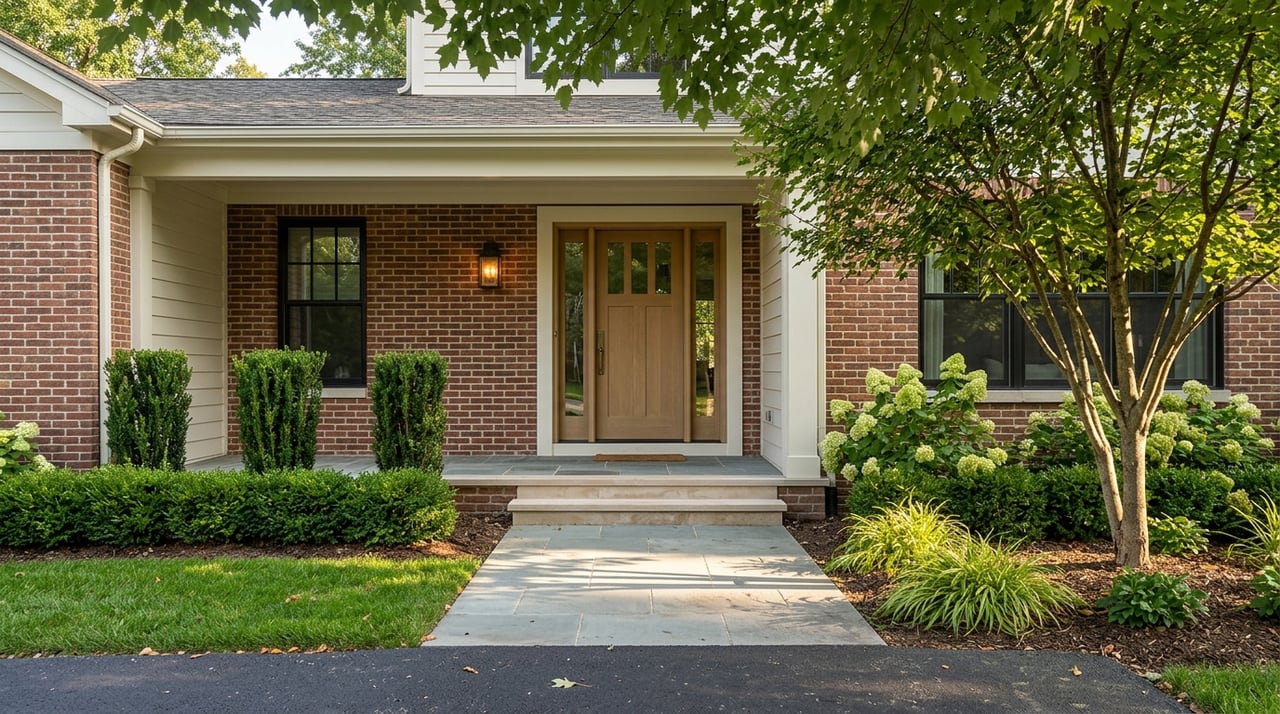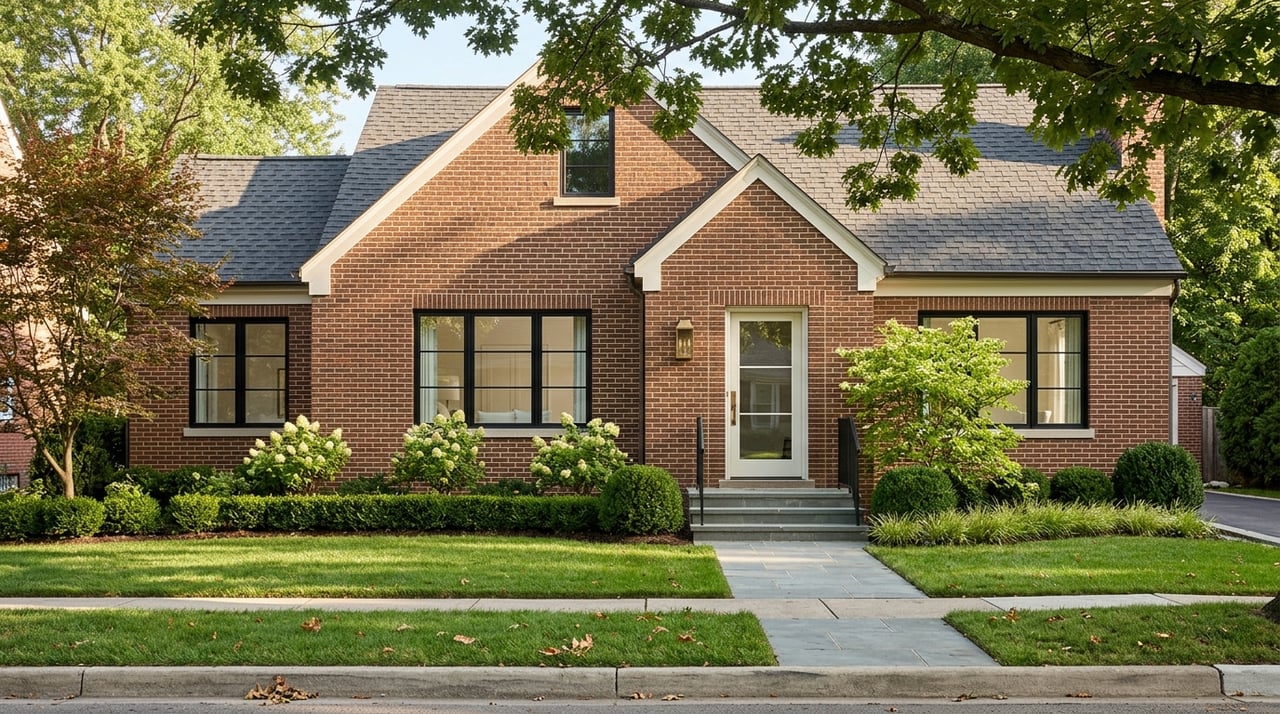
Choosing a home style in Ridgewood can feel exciting right up until every listing starts to blur together. One house has a storybook roofline, another has a wide front porch, and another seems perfect on paper but feels off when you walk through it. If you are trying to decide which Ridgewood home style actually fits your daily life, this guide will help you understand what you are seeing and how to narrow your search with confidence. Let’s dive in.
Why Ridgewood Home Styles Matter
Ridgewood has an older housing stock with a lot of architectural variety. According to the Village’s 2025 Housing Element, 80.9% of housing units are one-family detached homes, and 85.2% of homes were built before 1970. More than 37% were built in 1939 or earlier, which helps explain why so many homes carry strong prewar design features.
That history gives Ridgewood much of its visual character. Local preservation documents show homes built across several decades, especially from the late 1800s through the early 1900s, with styles that include Colonial Revival, Tudor Revival, Queen Anne, American Foursquare, Arts and Crafts, Dutch Colonial, and more. In other words, Ridgewood is not a one-style town.
That mix is important when you are house hunting. A style name can tell you a lot about a home’s look and feel, but it does not guarantee the exact layout. In Ridgewood, many homes blend features from multiple styles, and updates over time can change how they live.
Colonial Revival Homes in Ridgewood
Colonial Revival homes are a common sight in Ridgewood’s historic areas. Local preservation materials describe them as inspired by Federal and Georgian architecture, often with symmetrical fronts, formal entries, columns or pilasters, and details like fanlights, sidelights, or Palladian windows.
In practical terms, these homes often feel orderly and balanced. You may find more defined living and dining spaces rather than one large open main level. If you like a traditional floor plan with clear room separation, this style may feel comfortable right away.
Many buyers are also drawn to the curb appeal. Colonial Revival homes often present a timeless exterior that works well with Ridgewood’s established streetscapes and mature landscaping. If you want classic design with a polished look, this is a strong category to explore.
Tudor Revival Homes in Ridgewood
Tudor Revival is especially prominent in the Heights Historic District, and it appears in other parts of Ridgewood as well. This style is known for steep rooflines, front-facing gables, masonry or stucco exteriors, narrow windows, and prominent chimneys.
These homes often deliver a rich sense of atmosphere. Interiors can feel more intimate and enclosed, with a layout that favors character over openness. If you love texture, detail, and a more traditional room-by-room flow, a Tudor may be a great fit.
That said, Tudor homes are usually less about wide-open sightlines and more about charm. If your top priority is an airy, fully open concept, you may want to look closely at how a specific home has been updated. In Ridgewood, style is only part of the story.
Cape Cod Homes in Ridgewood
Cape Cod homes are generally compact, efficient, and easy to understand at first glance. They are typically one-and-a-half stories with symmetrical facades, steep roofs, dormers, and side chimneys.
For many buyers, the appeal is simple: manageable space and a practical footprint. These homes can work well if you want efficiency and do not mind that upper-level bedrooms may sit within a half-story rather than a full second floor. Ceiling lines upstairs can be part of the charm, but they can also affect furniture placement and storage.
If you are comparing Ridgewood home styles by lifestyle, Cape Cod homes often suit buyers who want a smaller, more streamlined house with classic appeal. The key is making sure the layout matches how you use bedrooms, office space, and storage every day.
Queen Anne and Victorian Homes in Ridgewood
If personality is high on your wish list, Queen Anne and Victorian-era homes may stand out immediately. Ridgewood’s preservation surveys identify Queen Anne examples in several historic areas, and the style is known for asymmetrical design, varied materials, porches, turrets, dormers, stained glass, and decorative trim.
These homes often feel one-of-a-kind because they usually are. Room sizes, circulation patterns, and architectural details can vary from one house to the next more than they do in many other styles. That can be a huge plus if you want a home with visual interest and originality.
At the same time, these homes tend to be less predictable in layout. If you value charm and do not need everything to feel uniform, they can be wonderful. If you prefer straightforward room flow and easy furnishing, you may want to compare them carefully with more symmetrical home styles.
American Foursquare Homes in Ridgewood
American Foursquare homes appear in several Ridgewood districts and are often a practical middle ground for buyers. They are typically two stories with a square shape, low-pitched hipped roof, broad overhangs, symmetrical facade, and a generous front porch.
From a livability standpoint, these homes often make a lot of sense. Their boxy footprint can create rooms that are easy to furnish and use, and many buyers like the balance between traditional character and everyday function. They often feel more straightforward than a Victorian and less formal than a Colonial Revival.
If you want a home with prewar character but also a practical floor plan, this style is worth a close look. In Ridgewood, that combination can be especially appealing.
Shingle and Arts & Crafts Homes
Ridgewood also includes Shingle Style and Arts & Crafts homes, both of which bring a more relaxed, handcrafted feel. Shingle Style homes are known for continuous shingled surfaces and broad porches, while Arts & Crafts homes often feature low horizontal lines, wide eaves, exposed rafters, and strong connections between porch and living space.
These homes often feel casual in the best way. They can offer a warm, lived-in atmosphere that suits buyers who want comfort, architectural detail, and a less formal layout. If you picture front porches, natural materials, and inviting main living spaces, these styles may speak to you.
They also tend to attract design-conscious buyers who appreciate craftsmanship. In a town like Ridgewood, that can be a meaningful part of the home search.
How to Match Style to Lifestyle
The best way to choose a home style is to start with how you live, not just how a house looks in photos. Ridgewood’s housing stock is older and varied, so the same style can feel very different from one home to another depending on updates, additions, and room flow.
A helpful shorthand is this:
- Colonial Revival often suits buyers who like formal structure and clearly defined rooms.
- American Foursquare often suits buyers who want practical layouts and easy-to-use space.
- Tudor Revival often suits buyers who value atmosphere, texture, and character.
- Queen Anne/Victorian often suits buyers who want uniqueness and architectural personality.
- Cape Cod often suits buyers who want efficiency and a smaller footprint.
- Shingle/Arts & Crafts often suits buyers who prefer a casual, porch-oriented feel.
This is a useful starting point, not a fixed rule. Ridgewood’s own preservation materials emphasize that local homes often mix styles and details, so your decision should always come back to how the house functions for your daily routine.
What to Check When Touring Older Homes
Because Ridgewood is a largely prewar market, it helps to tour homes with both style and function in mind. A beautiful exterior can draw you in, but the right fit usually comes down to how the home works once you are living in it.
As you shortlist homes, pay attention to:
- Stair count and how often you will use them
- Bedroom placement and privacy
- Attic and basement usability
- Closet space and storage
- Quality of additions or reconfigured interiors
- Whether room flow fits your daily habits
Ridgewood’s 2025 housing report also notes that older homes can require more maintenance. That does not mean they are not worth it. It simply means you should look closely at condition, updates, and the quality of any past work.
Historic Districts and Exterior Changes
If you are considering a home in one of Ridgewood’s historic areas, make sure you confirm whether the property has a local historic designation. The Village’s Historic Preservation Commission inventories historic resources and advises local boards on development applications.
For buyers, this matters because certain exterior changes on designated properties may require review. That does not automatically make a home more complicated to own, but it is something you will want to understand before making a decision. Knowing that early can help you weigh charm, flexibility, and long-term plans.
Choose the House That Fits Real Life
Ridgewood offers a rare mix of architectural character, established streetscapes, and homes with real individuality. The right choice usually is not the one with the most impressive style label. It is the one that supports the way you live, move, gather, work, and grow.
That is why a thoughtful home search matters so much here. When you look beyond curb appeal and connect style with layout, updates, and everyday function, your shortlist becomes much clearer.
If you are planning a move in Ridgewood, Krissy Leckie can help you evaluate home styles, neighborhood context, and the details that make a house feel right for your next chapter.
FAQs
What home styles are common in Ridgewood, NJ?
- Common Ridgewood home styles include Colonial Revival, Tudor Revival, Cape Cod, Queen Anne, American Foursquare, Shingle Style, and Arts & Crafts, based on the Village’s preservation documents.
How old are most homes in Ridgewood, NJ?
- Ridgewood’s 2025 Housing Element says 85.2% of homes were built before 1970, and 37.3% were built in 1939 or earlier.
Are most Ridgewood homes single-family houses?
- Yes. The Village’s 2025 Housing Element says 80.9% of housing units are one-family detached homes.
How do I choose the right Ridgewood home style for my needs?
- Start with your daily lifestyle, including room layout, storage needs, stair use, and whether you prefer formal separation or a more casual flow.
What should I look for when touring older homes in Ridgewood?
- Focus on bedroom placement, closet space, attic and basement usability, stair count, maintenance needs, and the quality of any additions or interior changes.
Do historic homes in Ridgewood have extra rules for renovations?
- Some may. If a property has a local historic designation, certain exterior changes may require review by Ridgewood’s Historic Preservation Commission.