If you are trying to sell your Ridgewood home while juggling work, school schedules, commuting, and everyday life, you are not alone. Many sellers want a strong result without turning their home and calendar upside down for weeks. The good news is that Ridgewood’s market conditions and a focused plan can help you prepare efficiently, show well, and stay organized from listing to closing. Let’s dive in.
Ridgewood sellers can move strategically
Recent Ridgewood market data points to a seller-friendly environment, though timing metrics vary by source. Redfin reported a median sale price of $1,399,163, about four offers per home, and a median 57 days on market over the three months ending May 2026. Realtor.com described Ridgewood as a very hot market, with a median 14 days on market, a 107% sale-to-list ratio, and 33 active listings.
Bergen County data also supports the idea of a relatively fast-moving market. Zillow estimated the average home value in Bergen County at $786,366, with homes going pending in around 17 days and 50.7% of sales closing above list price. For you, that can mean less benefit in dragging prep out and more value in getting the home market-ready quickly and thoughtfully.
Focus on high-impact prep first
When life is busy, trying to perfect every drawer, closet, and corner can slow you down. A better approach is to start with the updates buyers notice first and that help your home photograph and show well. That means putting your time into the areas that support strong first impressions.
According to the 2025 Profile of Home Staging, sellers’ agents most often recommend decluttering, cleaning the entire home, and improving curb appeal. The same report found that 83% of buyers’ agents said staging made it easier for buyers to envision the property as their future home, and 49% of sellers’ agents said staging reduced time on market.
Start with these three tasks
- Remove visible clutter from counters, floors, shelves, and entry areas
- Deep clean the home, especially kitchens, bathrooms, and windows
- Refresh curb appeal with simple exterior cleanup and maintenance
These steps do not require a full renovation. They create a cleaner, calmer presentation that helps buyers focus on the space itself.
Stage the rooms that matter most
If you do not have time or budget to stage everything, prioritize the rooms buyers care about most. The staging report found that the most important rooms to stage were the living room, primary bedroom, and kitchen. Sellers’ agents also commonly staged the dining room.
That gives you a practical roadmap. Instead of spreading energy evenly across the whole house, focus first on the rooms that shape the buyer’s overall impression and appear most often in marketing photos.
Best rooms to prioritize
- Living room
- Primary bedroom
- Kitchen
- Dining room
This design-forward, phased approach fits busy households well. You can create a polished look where it counts most, then decide whether other spaces need lighter touch-ups before going live.
Great listing media saves time later
Strong visuals can reduce wasted showings and attract more serious buyers from the start. In the same staging report, 73% of buyers’ agents rated photos as highly important. Videos and virtual tours also ranked highly, at 48% and 43%.
That matters because many buyers narrow their choices online before they ever step through the door. The report also noted that buyers expected to view a median of 20 homes virtually and 8 in person. If your home is presented clearly from day one, you may spend less time accommodating buyers who were never the right fit.
Use a phased prep plan
A phased plan helps you avoid burnout and keeps the sale manageable. Instead of tackling everything at once, break the process into short, defined steps with a clear finish line. In a market like Ridgewood, that kind of front-loaded preparation can be more useful than a long, open-ended project.
A simple phased timeline
Phase 1: Clear and clean
- Declutter visible areas
- Remove extra furniture if rooms feel crowded
- Deep clean the full home
Phase 2: Style key spaces
- Focus on the living room, primary bedroom, kitchen, and dining room
- Add simple, neutral finishing touches
- Make sure lighting and layout photograph well
Phase 3: Final exterior pass
- Tidy the front entry
- Trim landscaping as needed
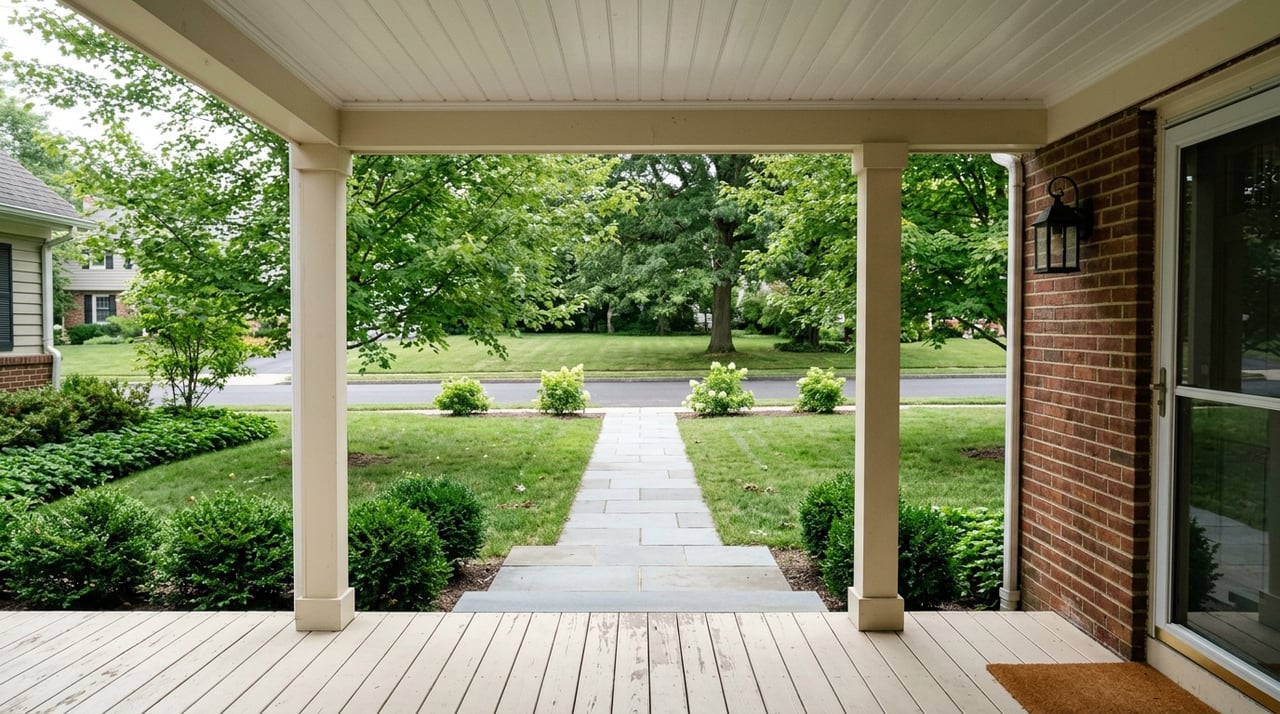
- Check that walkways, porches, and drive areas feel neat and welcoming
This kind of structure helps busy sellers stay focused. It also makes it easier to coordinate any staging or design support without letting the process take over your routine.
Plan showing windows around real life
One of the biggest pain points for busy sellers is showing disruption. Last-minute appointments can interrupt dinner, homework, remote work, and commuting. In Ridgewood, local parking conditions can add another layer of friction.
The village notes that many downtown spaces have 3-hour limits, some spaces have 15-minute limits, and train station parking may require resident stickers, premium passes, or daily passes depending on the lot. It also lists meters as active Monday through Friday from 9:00 a.m. to 8:00 p.m. and Saturday from 10:00 a.m. to 6:00 p.m., with Sunday and federal holidays free.
Why batching showings helps
Set showing windows can make life much easier when access and parking are not simple. Instead of accepting scattered appointments all week, you may benefit from grouping showings into a few predictable blocks. That gives buyers clear availability and gives you a better chance to plan family logistics in advance.
If you are considering an open house, weekend timing may be easier to manage than weekday drop-ins. The right timing still depends on your home’s parking situation, access points, and daily schedule.
Expect buyers to bring more voices
Selling a home is rarely a one-person decision on the buyer side. The staging data found that a median 23% of respondents said buyers brought family members who were not purchasing the home to view homes. Another 40% said buyers consulted family members during the process.
For you, that means presentation still matters even after the first showing. A home that feels clear, welcoming, and easy to understand tends to hold up better when multiple people weigh in. Clean design choices, thoughtful staging, and strong photos support that broader decision-making process.
Know the New Jersey seller requirements
A busy sale gets easier when you understand the big compliance items early. In New Jersey, sellers now have specific flood disclosure obligations. According to the New Jersey Department of Environmental Protection, every seller must disclose required flood-risk information through the Seller’s Property Condition Disclosure Statement before the buyer becomes obligated under a purchase contract.
That includes whether the property is in FEMA’s Special Flood Hazard Area or Moderate Flood Hazard Area, along with any actual knowledge of flood risk. Getting that information organized early can help avoid delays later.
Lead-based paint may apply
If your home was built before 1978, federal lead rules require sellers to disclose known lead-based paint hazards, provide the required pamphlet, and include the required disclosure language in the sales contract. According to New Jersey lead guidance, sellers are not required to test for or remove lead-based paint under this rule.
Transfer fees matter in Ridgewood
The New Jersey Division of Taxation says the seller is responsible for the Realty Transfer Fee. The state also imposes a graduated percent fee on deeds when consideration exceeds $1,000,000.
Because recent Ridgewood pricing has been above that threshold at the median, many local sellers may face that added cost, though not every transaction will. This is one of the reasons it helps to plan your net proceeds carefully before you list.
Written agreements are required
A 2024 New Jersey DOBI bulletin states that brokerage firms must use a written brokerage services agreement in residential transactions. The same bulletin says a signed property condition disclosure statement must be obtained from the seller, and if a seller is not represented, the seller must provide the statement to the buyer before the buyer becomes obligated under a contract.
These steps are not just paperwork. They are part of keeping your sale on track and reducing surprises once an offer comes together.
What busy Ridgewood sellers need most
When your schedule is already full, the goal is not to do more. It is to do the right things in the right order. In Ridgewood, that often means a short, focused prep period, strong visual marketing, staged priority rooms, and showing windows that fit your life.
It also means having a clear plan for disclosures, timing, and closing costs so you are not trying to manage every moving part alone. With the right strategy, you can protect your time while still presenting your home at a high level.
If you are thinking about selling and want a calm, design-conscious plan that fits your schedule, Krissy Leckie can help you map out the next steps with clarity and care.
FAQs
How fast can a home sell in Ridgewood, NJ?
- Recent Ridgewood market reports vary, with one source showing a median 57 days on market and another showing a median 14 days, but both support that Ridgewood remains a seller-friendly market.
What should busy Ridgewood sellers do before listing a home?
- Start with decluttering, deep cleaning, curb appeal, and staging the living room, primary bedroom, kitchen, and dining room before worrying about less visible spaces.
Why are professional photos important when selling a Ridgewood home?
- Buyers often narrow their choices online first, and staging research found that photos were rated highly important by 73% of buyers’ agents.
How can Ridgewood homeowners make showings easier to manage?
- Many busy sellers benefit from batching showings into set windows instead of accepting scattered last-minute appointments, especially since local parking rules can make access less convenient.
What flood disclosures do Ridgewood home sellers need in New Jersey?
- New Jersey requires sellers to disclose specific flood-risk information through the Seller’s Property Condition Disclosure Statement before the buyer becomes obligated under a purchase contract.
Do Ridgewood sellers pay transfer fees at closing?
- Yes. The New Jersey Division of Taxation says the seller is responsible for the Realty Transfer Fee, and some sales over $1,000,000 may also be subject to an added graduated fee.