If you are preparing to sell a luxury home in Franklin Lakes, a few strategic staging moves can change everything. At a price point where the area’s median sale is around $2.075 million as of January 2026, even a small improvement in perceived value can translate into real dollars. You want buyers to feel a turnkey, no‑project lifestyle from the first photo to the last showing. In this guide, you will learn data‑backed staging strategies, tailored to Franklin Lakes architecture and buyer expectations, that shorten time on market and help strengthen offers. Let’s dive in.
Why staging matters in Franklin Lakes
Franklin Lakes is a high‑income, owner‑occupied community, which sets a high bar for presentation. The borough’s median household income sits around $235,795, and owner occupancy is about 89%, based on recent U.S. Census estimates. These demographics support buyer expectations for curated, move‑in‑ready homes and premium marketing. Staging helps you meet that expectation and stand out among other multi‑million dollar listings.
Industry research backs this up. In the National Association of REALTORS 2025 Profile of Home Staging, about 29% of agents said staging produced a 1% to 10% increase in buyer offers, and nearly half of seller agents observed reduced time on market. The Real Estate Staging Association’s recent benchmarks also show strong sample‑level ROI for professionally staged listings. In a $2 million market, a 1% lift is $20,000, which often exceeds the total staging budget.
- Explore the NAR findings on pricing impact and time on market in the 2025 staging report: NAR research on staging’s effect.
- Review industry ROI benchmarks submitted by professional stagers: RESA market statistics.
- See Franklin Lakes demographics for context: U.S. Census QuickFacts.
What local buyers expect
Higher‑end Franklin Lakes buyers compare your home to luxury inventory across Bergen County and nearby NYC‑adjacent suburbs. They look for turnkey finishes and an easy, elevated lifestyle. Common features include chef kitchens, polished primary suites, lower‑level amenities like theaters or gyms, and outdoor living zones with kitchens and pools. Your staging should make each of these elements feel intentional, functional, and photo‑ready.
Stage these rooms first
NAR’s research ranks the living room, primary bedroom, and kitchen as the top spaces to stage. Lead with these, then layer in formal dining and key entertaining rooms.
- Living room. Create a balanced seating plan that showcases flow and scale. Use a properly sized rug to define the conversation area, then add curated art and layered lighting for warmth and photography.
- Primary suite. Aim for hotel‑calm. Neutral bedding with texture, matching nightstands and lamps, simple art, and cleared surfaces set the tone. Declutter closets since buyers will check storage.
- Kitchen. Keep counters almost clear. Highlight premium appliances and a chef lifestyle with one or two styled moments, like a cutting board with fresh lemons or a single vase of greenery.
- Dining and entertaining. Stage the formal dining table for 6 to 10 with understated place settings. If you have a bar, wine room, or media space, show it in use with simple, purposeful props.
Reference: NAR staging priorities and impact.
Curb appeal and arrival
Buyers form opinions in the first 10 seconds. Small exterior upgrades go a long way.
- Power‑wash walkways and patios, clean windows, and clear gutters.
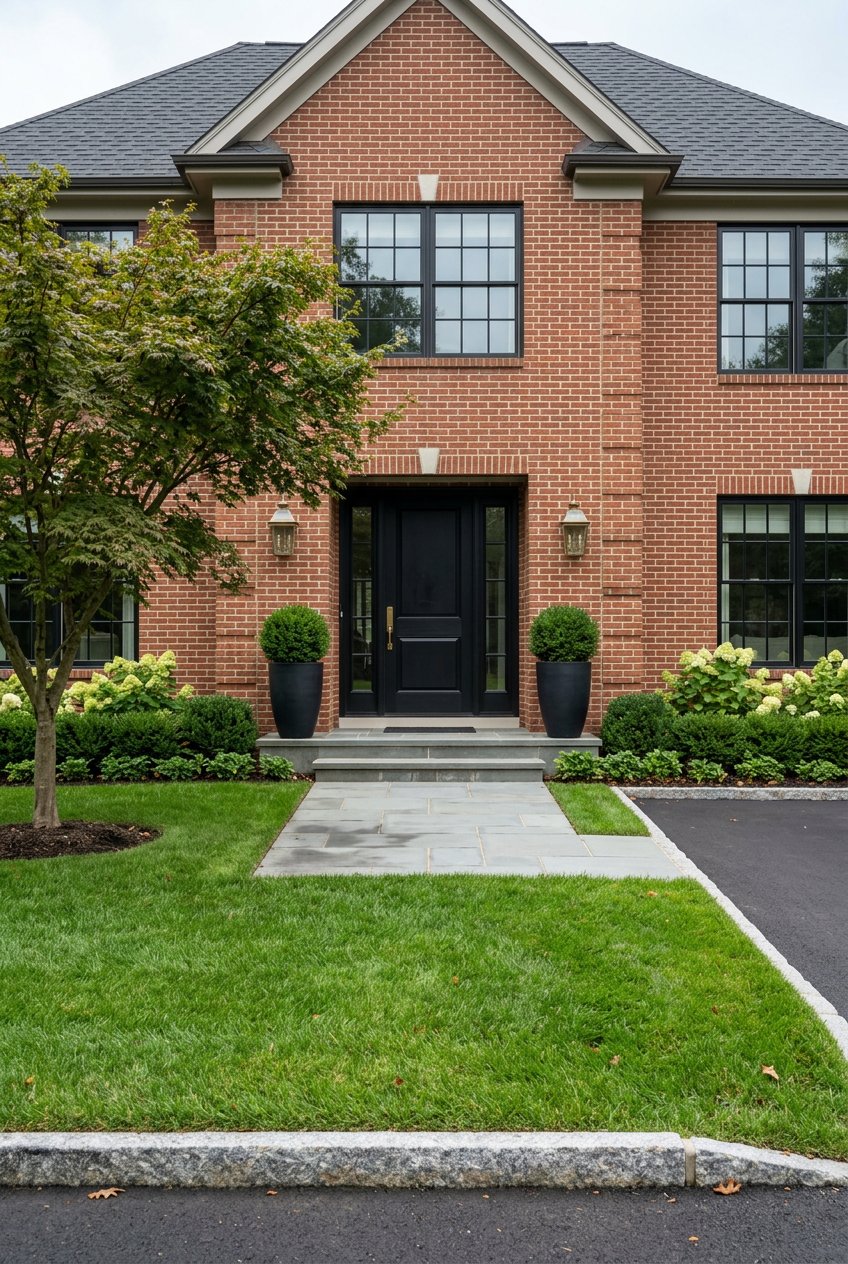
- Refresh the front door with crisp paint or updated hardware. Add a tailored doormat and proportionate planters for scale.
- Tidy landscaping and lighting. Trim shrubs to open sight lines, mulch beds, and add neutral seasonal color. If you have a long drive or gate, make sure hardware is spotless and lighting is consistent.
NAR ranks curb appeal among the most common pre‑list recommendations for agents. It sets expectations before buyers even step inside.
Style playbook by home type
Colonial, Georgian, and traditional
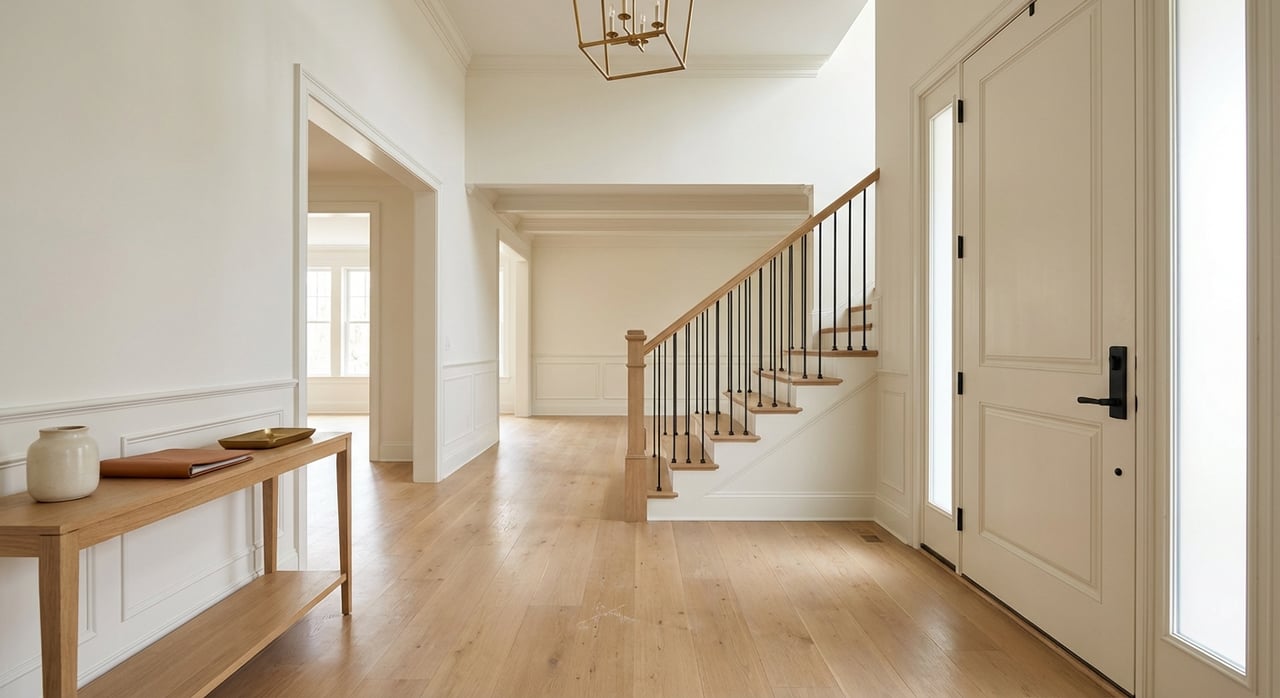
- What to showcase: symmetry, millwork, fireplaces, and formal rooms. Lean into balanced vignettes and classic lines.
- Staging tips: use paired sofas or a sofa with two armchairs to shape refined conversation zones. Select rugs that ground the entire seating group. In dining rooms, a simple tablescape with linen, glass, and subtle florals reads polished without feeling fussy.
Hamptons and modern farmhouse
- What to showcase: bright, airy palettes and the indoor‑outdoor connection. Think soft whites, layered linens, natural textures, and restrained coastal tones like pale grays and navy accents.
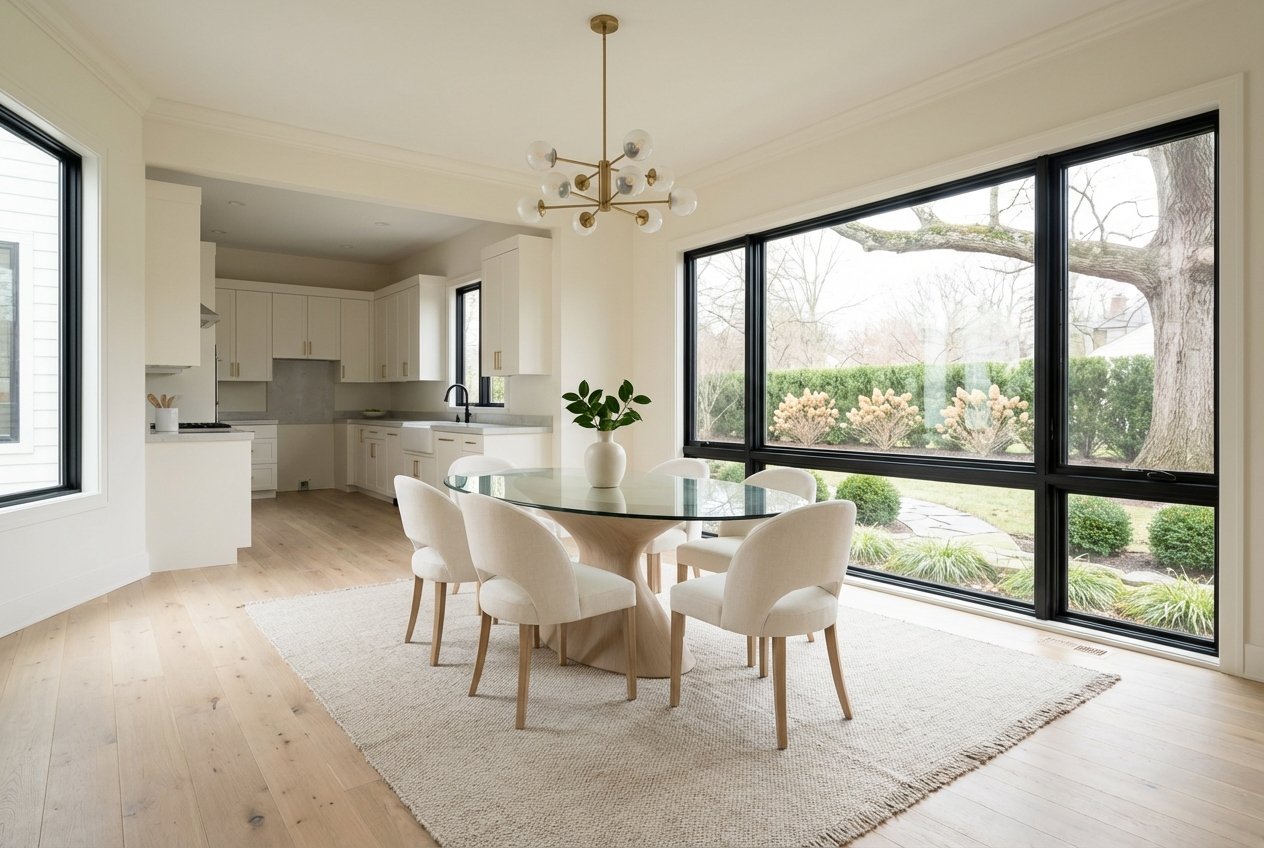
- Staging tips: choose woven textures, light woods, and brass lighting for a relaxed but upscale feel. Set outdoor seating to extend the entertaining flow from kitchen to patio to pool. A single tray with glassware can suggest lifestyle without clutter.
Contemporary and open‑plan estates
- What to showcase: volume, sightlines, and a minimal, curated palette. Keep furniture low‑profile to maintain scale.
- Staging tips: define zones with large rugs and careful furniture placement. Anchor one large wall with a statement art piece or sculptural lighting. If current furnishings fight the architecture, consider short‑term luxury furniture rental for a white‑glove look. Learn how stagers use rentals for rapid installs through CORT furniture staging services.
Specialty spaces that sell
- Lower‑level amenities. If you have a theater, gym, wine room, or play area, show it fully. A row of theater seats, a neat set of gym mats and weights, or a simple tasting table helps buyers visualize daily use.
- Baths and powder rooms. Spa cues matter. Use bright white towels, minimal counter items, and a small vase of greenery. Ensure all bulbs are warm and consistent.
- Outdoor living. Stage the grill area, lounge seating, and dining table to map out an entertaining sequence. Add lanterns or subtle string lights to support twilight photos.
Photography and digital assets
Your staging should be captured at a high level to earn clicks and save‑worthy impressions online. Schedule photography only after staging is complete, then book a separate twilight session to spotlight lighting and outdoor living.
- High‑quality stills plus twilight exteriors and drone aerials help convey lot size and privacy.
- Use a 3D tour or immersive walkthrough to boost listing engagement. NAR research highlights photography and virtual tours as key elements for today’s buyers.
- For practical shooting tips and planning, review these real estate photography best practices.
Reference: NAR on staging’s role in buyer engagement.
Budgets and payoff
Staging does not need to be all or nothing. Choose a level that fits your property and goals.
- Conservative, DIY plus pro photos: $1,000 to $3,000. This aligns with NAR’s reported median cost of about $1,500 when hiring a staging service, and around $500 when an agent stages.
- Market‑competitive occupied staging: $3,500 to $8,000. This often includes furniture rental for main levels and the primary suite, styling, and professional photo and video. RESA’s recent sample sets show mean project investments in the low thousands, which supports this tier.
- White‑glove for vacant or ultra‑luxury estates: $8,000 to $30,000+. Full installations add designer furniture, art rentals, and elevated lighting for a magazine‑level presentation. Costs scale with square footage and inventory.
Why it pencils out: NAR reports a meaningful share of agents see a price impact of 1% to 10% plus shorter time on market. RESA’s member data shows strong sale‑to‑list results in many cases. At Franklin Lakes price points, even a modest premium can outweigh the staging budget.
- Review NAR’s cost and impact snapshots: NAR staging report.
- Check RESA’s benchmark data: RESA statistics.
Payment options and risk reduction
Who pays can vary. Sellers, agents, or both may contribute, according to NAR’s reporting. If you prefer to preserve cash until closing, ask about pay‑at‑close or deferred payment options offered by some staging vendors and marketplaces. You can start your search and due diligence through industry groups like the Real Estate Staging Association.
A 30‑day pre‑list roadmap
Use this simple timeline to keep momentum.
- Weeks 4 to 3: Consult on comps and staging scope. Book any quick repairs like paint touchups, hardware updates, and landscape cleanup. Decide which rooms to stage first based on NAR’s priority list.
- Weeks 2 to 1: Complete the staging install. Store excess and personal items off‑site. Confirm that key lighting is consistent and bulbs match in temperature.
- Days 3 to 1 before live: Capture professional stills, twilight exteriors, drone images, a floor plan, and a 3D tour. Edit and review listing copy for a design‑forward story.
- Launch week: Go live on MLS and run targeted social ads for the first 7 to 10 days. Host a broker open to reach buyer agents serving high‑net‑worth clients.
- Active period: Keep the home in staged condition. Refresh florals weekly and clean high‑traffic areas daily. Remove staging only after you have an executed contract or per your plan.
References: NAR staging insights and RESA benchmarks.
Common pitfalls to avoid
- Over‑styling. Too many accessories distract from architecture and scale. Keep it edited and purposeful.
- Mismatched furniture scale. Oversized or undersized pieces can distort room size. Choose fewer, correctly scaled items.
- Inconsistent lighting. Mix‑matched bulbs or dim fixtures flatten your photos. Use warm LEDs and add lamps for layers.
- Skipping outdoor zones. Patios, pools, and lawns are part of the lifestyle. Stage them as carefully as interiors.
When your home’s presentation reads as polished and effortless, buyers feel confident moving fast and strong. If you want expert guidance on tailoring a design‑forward plan for Franklin Lakes, connect with Krissy Leckie. You will get a clear roadmap, vetted staging resources, and premium marketing that tells the full story of your home.
FAQs
How does staging impact luxury listings in Franklin Lakes?
- NAR reports many agents see staging reduce time on market and about 29% report a 1% to 10% price impact, which is meaningful at $2 million price points.
Which rooms should I stage first for best ROI?
- Focus on the living room, primary bedroom, and kitchen, then add formal dining and key entertaining spaces to maximize buyer perception and photos.
What is a realistic staging budget for a high‑end home?
- Many occupied luxury listings land in the $3,500 to $8,000 range, while vacant or ultra‑luxury installs can run from $8,000 to $30,000+, depending on size and scope.
Can I defer staging costs until closing?
- Some vendors offer pay‑at‑close or deferred options. Ask your agent to help source local providers and review terms through industry groups like RESA.
Do I need professional photos if the home is staged?
- Yes. Professional photography, twilight exteriors, drone aerials, and a 3D tour significantly increase engagement and support your staged presentation.
What if my furniture style does not fit my home’s architecture?
- Consider short‑term luxury furniture rentals or targeted replacements. The goal is to show scale, flow, and lifestyle that match your architecture and buyer expectations.