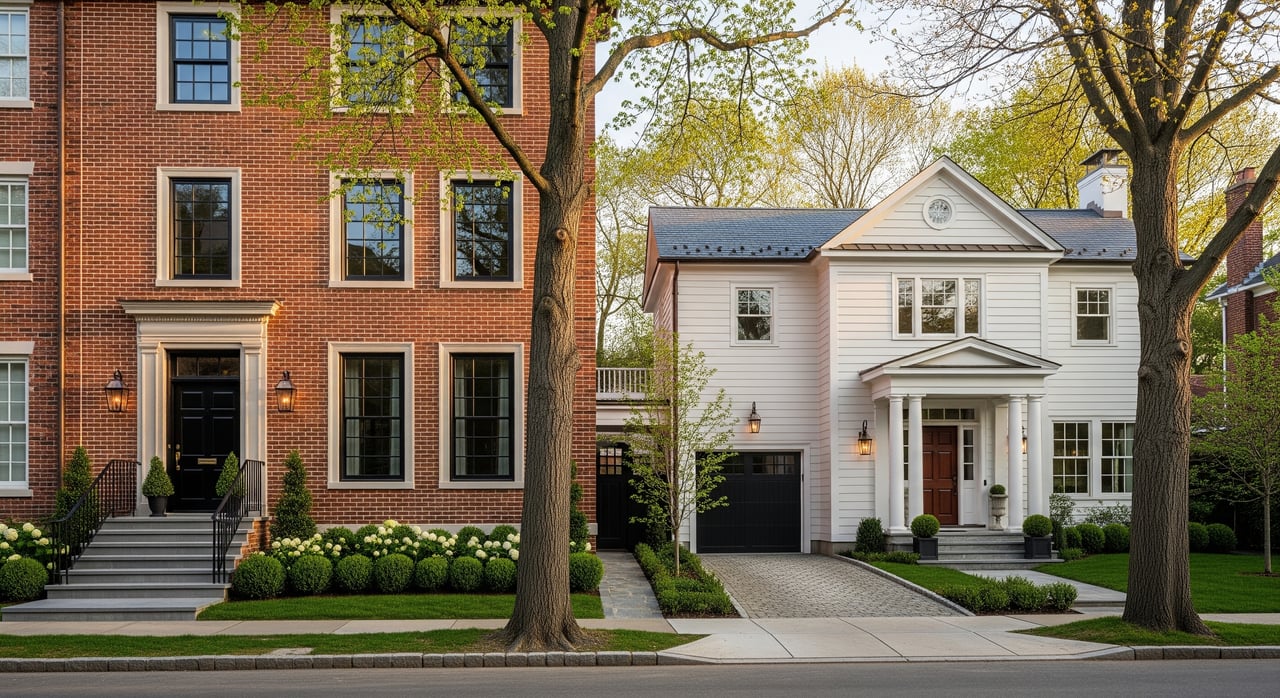
Thinking about a townhouse or a single-family home in Ramsey? You’re not alone. Many buyers here want the right blend of space, commute access, and low-maintenance living. In this guide, you’ll compare costs, upkeep, HOA rules, lifestyle factors, and resale so you can decide what fits your life today and five years from now. Let’s dive in.
Ramsey market context
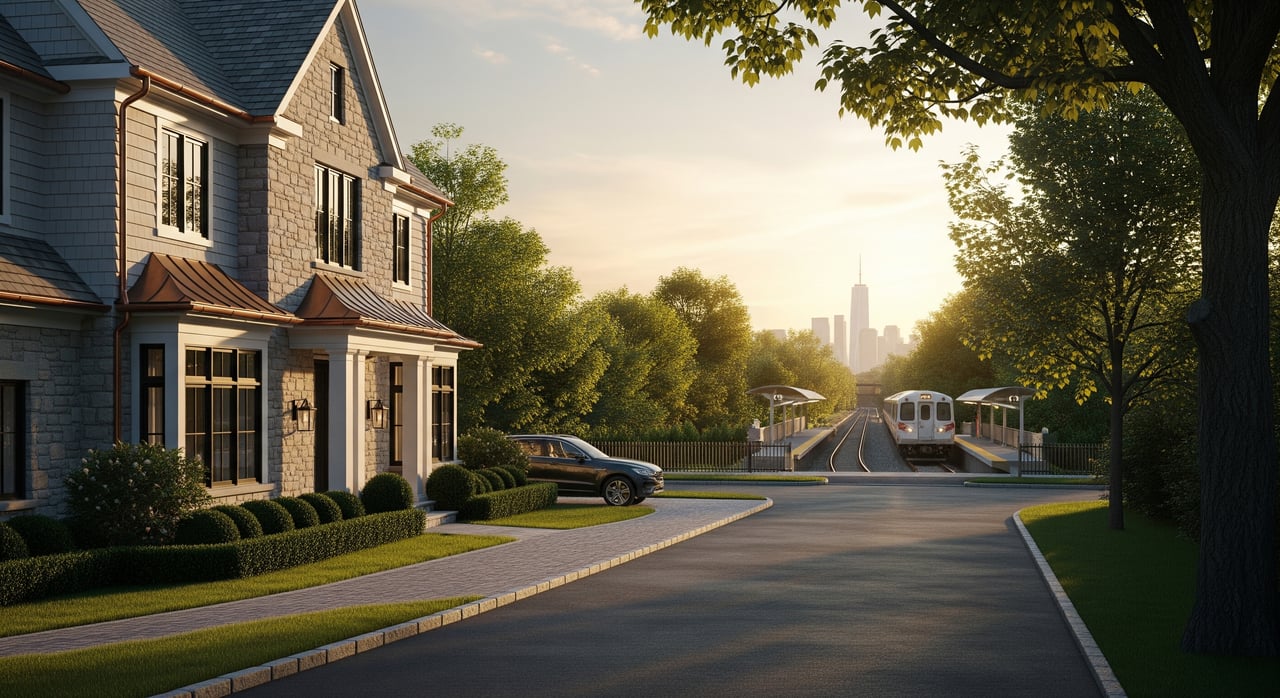
Ramsey sits in Bergen County within the New York City commuter market. Buyers often prioritize commuter access, neighborhood amenities, and flexible outdoor space. You’ll find a mix of detached single-family homes, attached townhouses, and condo-style communities.
Cost comparison basics
Your total monthly cost includes mortgage, property taxes, insurance, utilities, and either HOA fees or out-of-pocket maintenance. Townhouses can offer a lower entry price than similar-sized detached homes, but fees and rules vary by community. Single-family homes often carry a land premium that boosts both price and property taxes.
Purchase price dynamics
- Single-family homes in commuter suburbs like Ramsey tend to sell at a premium for lot size, privacy, and future expansion potential.
- Townhouses may be fee-simple or part of a condo association. Fee-simple units often price closer to detached homes, while condo-style townhomes vary based on amenities and HOA scope.
- Instead of relying on averages, compare recent 6 to 12 month trends for each property type and price per square foot when you’re evaluating a specific home.
Property taxes
- New Jersey property taxes are comparatively high and are based on assessed value and local millage rates.
- Detached homes often have higher assessed values due to land, though this is not universal. Some townhouses or condos can have lower assessments.
- Always review the actual tax bill for each property and compare the effective tax rate by using tax bill divided by market value.
HOA vs maintenance
- Townhouse or condo communities typically charge an HOA fee that can cover landscaping, snow removal, exterior upkeep, common insurance, amenities, and reserves.
- Single-family owners handle all exterior costs, including lawn care, roof, gutters, driveway, painting, and snow removal.
- Tradeoff: HOA fees turn variable maintenance into a predictable monthly cost, but add rules and possible special assessments.
Use this quick worksheet when comparing two homes:
- Townhouse monthly: mortgage + taxes + HOA + utilities
- Single-family monthly: mortgage + taxes + estimated maintenance + utilities
Maintenance line items to estimate:
- Landscaping, snow removal, gutter cleaning
- Roof, siding, driveway, deck lifecycle costs
- Exterior painting or materials upkeep
- Shared area costs if in a limited HOA
Insurance and utilities
- Townhouse or condo owners often carry HO-6 policies for interior and personal property, with the HOA’s master policy covering building exteriors and common areas. Confirm the master policy type and deductible.
- Single-family owners typically need HO-3 or HO-5 coverage for the full dwelling.
- Utility costs vary by square footage, building efficiency, and exposure. Ask for 12 months of utility history when possible.
Maintenance realities
- Single-family: You manage the roof, siding, gutters, yard, driveway, and snow. You control the timeline and quality of work, but you shoulder unpredictable costs.
- Townhouse: The HOA often handles exterior and grounds. Review the maintenance responsibility matrix in the governing documents so you know exactly what is covered.
- Winter is a key factor in Ramsey. Confirm who handles snow removal and where the responsibility line falls between the HOA and you.
HOA health in New Jersey
If you choose a townhouse in a common-interest community, plan to review the full HOA document set. Ask for:
- Declaration and CC&Rs, bylaws, and rules
- Current budget, financials, and any audit or treasurer’s report
- Reserve study, if available
- Master insurance policy with coverage details
- Meeting minutes for the last 12 to 24 months
- Resale certificate and estoppel letter that disclose fees, assessments, and litigation
Good governance indicators:
- Dues aligned with actual expenses and long-term reserves
- Healthy reserve balance that matches projected capital needs
- Clear history on assessments and fee changes
- No major pending litigation
- Stable board leadership and transparent communication
Work with your agent and attorney to request documents early and review them before you waive contingencies.
Lifestyle and privacy
- Noise and walls: Attached homes can transmit sound through party walls and floors. Construction quality and soundproofing matter.
- Outdoor space: Single-family homes typically offer private yards, larger patios, and freedom to design your landscape within local zoning. Townhouses may have patios or shared green space.
- Parking: Townhouse communities may use assigned spaces or shared lots, sometimes with guest parking rules. Detached homes usually have private driveways or garages.
- Accessibility: If you want one-level living, consider ranch-style single-family homes or townhouse communities with first-floor bedrooms or elevator access.
Resale factors
- Buyer pools: Single-family homes often attract buyers seeking privacy, yard space, and the ability to expand. Townhouses tend to appeal to first-time buyers, commuters, and downsizers who want lower maintenance.
- Liquidity: Attached homes can move quickly in popular price tiers but may compete with similar units in the same community. Detached homes can be more unique and can command premiums based on lot and condition.
- Schools and local amenities often influence demand. Neutral school data is one of many inputs buyers consider when comparing locations.
- Renovation potential: Single-family properties usually allow more flexibility for additions or exterior changes, subject to local zoning. Townhouse exteriors are typically controlled by HOA rules.
Financing and process
- Classification matters: Some townhouses are fee-simple, while others are legally condos within an HOA. That difference affects loan programs and down payment options.
- Lender requirements: Many lenders review condo or townhome projects for owner-occupancy ratios, litigation, and delinquency levels. FHA or VA approvals can matter for certain buyers.
- Closing mechanics: Resale certificates and estoppel letters may be required before closing on attached units. Response delays from HOAs can affect your timeline.
Due diligence checklist
Use this list to stay organized during your search.
For any property
- Recent comparable sales for the same property type
- Actual tax bill and assessed value
- Full home inspection: structure, roof, HVAC, plumbing, electrical
- 12-month utility history for gas, electric, and water
- Local zoning and setback information
- Site-specific concerns like soil or slope
For townhouses and condos
- CC&Rs, bylaws, rules, current budget, and financial statements
- Reserve study and master insurance policy
- Estoppel or resale certificate, including fees and special assessments
- Owner-occupancy mix and leasing rules
- Maintenance responsibility matrix
- Litigation history and any recent special assessments
- Parking assignments and guest parking rules
Inspection focus for attached homes
- Party wall construction and fire separation
- Soundproofing details and any prior remediation
- Shared rooflines and gutter or drainage conditions
For single-family homes
- Survey with clear lot boundaries
- Driveway capacity and municipal snow removal limits
- Tree health and any root or drainage impacts
Who should choose what?
Here are three common Ramsey buyer stories and how each path can fit.
Growing family moving up
- Why single-family: More interior space, a private yard for play, and the flexibility to expand over time.
- Tradeoffs: Higher property taxes and full responsibility for exterior maintenance.
- Focus your search on lot size, upgrade timeline, and proximity to the activities you value.
Downsizer seeking low maintenance
- Why townhouse: Lock-and-leave living, exterior upkeep handled, and a neighborly community setting.
- Tradeoffs: Shared walls, HOA rules, and the need to verify HOA finances and reserves.
- Prioritize single-level living or elevator access, and review HOA documents early.
Commuter with a set budget
- Why townhouse: Potentially lower entry price, predictable HOA-covered services, and an easier maintenance load.
- Tradeoffs: Smaller private outdoor areas and community rules.
- Confirm parking and guest parking policies, and make sure your lender accepts the project if you choose a condo-style townhome.
Choosing between a townhouse and a single-family home in Ramsey comes down to your tolerance for maintenance, your need for privacy and outdoor space, and your preference for predictable monthly costs. If you want help weighing the tradeoffs on specific homes, connect with Krissy Leckie to compare options side by side and move forward with clarity.
FAQs
Are HOA fees worth it in Ramsey?
- It depends on how much you value included services like landscaping, snow removal, and exterior repairs, and on the long-term financial health of the HOA’s reserves and budget.
Will a townhouse save me money overall?
- It can reduce the time and unpredictability of maintenance, but you should compare your total monthly cost, including mortgage, taxes, HOA fees, and utilities, against a similar single-family home.
Do Ramsey townhouses appreciate like detached homes?
- Appreciation varies by supply and demand in each segment, the condition of the property or community, and local preferences. Detached homes often carry a land premium in suburban markets.
What closing issues are unique to townhomes and condos?
- Common issues include delays obtaining resale or estoppel documents, lender requirements tied to the project, and unresolved HOA litigation or funding shortfalls.